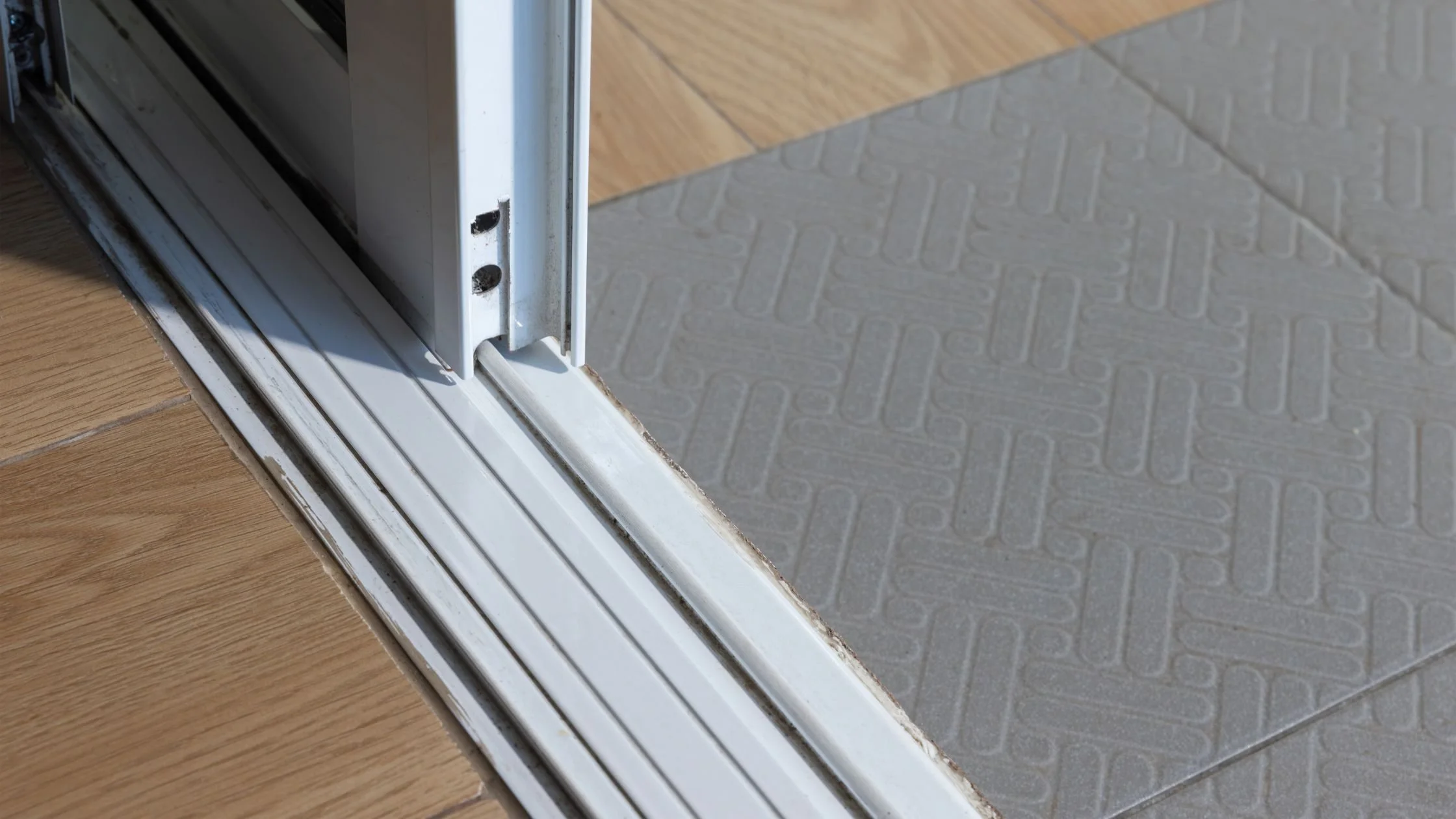
The Small Flooring Detail That Makes a Big Difference
When planning a flooring renovation, most homeowners focus on selecting the right material, color, and style. However, one detail that can significantly influence the finished result is often overlooked: flooring transitions.
Transitions are the areas where two flooring surfaces meet. They may connect different materials, accommodate changes in floor height, or provide the necessary space for flooring movement.
Although they may seem like minor installation details, flooring transitions between rooms play an important role in creating a home that looks cohesive, feels comfortable, and functions properly.
For homeowners in Middle Tennessee, understanding the purpose of flooring transitions can help create a more polished result during renovations and flooring replacement projects.
What Are Flooring Transitions?
A flooring transition is the connection between two flooring surfaces.
Transitions commonly appear in doorways, between adjoining rooms, and where different flooring materials meet.
For example, a home may feature hardwood flooring in the living room, luxury vinyl plank in the kitchen, and carpet in the bedrooms.
Each material may have a different thickness, installation method, or movement requirement.
Transition pieces help connect these surfaces while creating a finished appearance.
Depending on the materials and installation requirements, transitions may be subtle or more noticeable.
Why Flooring Transitions Are Important
Proper transitions serve several purposes beyond appearance.
They Create a Finished Look
Without appropriate transitions, flooring edges may appear unfinished or disconnected.
A carefully selected transition helps create a natural visual flow between spaces.
They Accommodate Height Differences
Different flooring materials often have different thicknesses.
Transitions can help create a smoother connection between surfaces that do not sit at the same height.
They Protect Flooring Edges
Exposed flooring edges may be vulnerable to chipping, movement, or damage.
Transition profiles can help protect these areas from everyday wear.
They Support Proper Flooring Movement
Some flooring systems require expansion space to accommodate changes in temperature and humidity.
Certain transition pieces help conceal these gaps while allowing the flooring to move as intended.
Common Types of Flooring Transitions
Not every flooring transition uses the same profile.
The appropriate option depends on the materials being connected, their relative heights, and manufacturer requirements.
T-Molding
T-molding is commonly used to connect two flooring surfaces of approximately equal height.
It may be used between adjoining areas of laminate or luxury vinyl plank flooring when the flooring system requires a transition.
The profile typically creates a finished connection while accommodating the necessary movement space.
Reducer Strips
Reducer strips connect flooring surfaces that have different heights.
For example, a reducer may be used where thicker hardwood flooring meets a lower vinyl surface.
A properly selected reducer helps create a more gradual change between the two levels.
Carpet Transition Profiles
When hard surface flooring meets carpet, a suitable transition helps create a finished edge and secure the connection.
The specific installation method depends on the flooring materials and the type of carpet.
Thresholds and End Caps
Thresholds and end caps are often used where flooring terminates at doorways, exterior doors, or other fixed boundaries.
They help conceal exposed edges and create a finished appearance.
Creating a Seamless Look Between Different Flooring Materials
One of the most common design challenges is connecting flooring materials without making the home feel visually divided.
A seamless appearance begins with thoughtful material selection.
For example, if a living room features warm oak hardwood and the adjoining kitchen uses luxury vinyl plank, selecting complementary undertones can create a more cohesive look.
The transition itself should also coordinate with the surrounding flooring.
Some homeowners prefer transition pieces that closely match one of the materials, while others choose a neutral finish that blends with both surfaces.
The best choice depends on the overall design and the flooring system's requirements.
Should Every Doorway Have a Transition Strip?
Not necessarily.
Some flooring installations can continue through adjoining rooms without a visible transition, creating a continuous appearance.
However, this depends on several factors, including:
Flooring material and construction
Manufacturer installation requirements
Room dimensions
Subfloor conditions
Changes in flooring direction
Expansion and movement allowances
Certain floating flooring systems require transitions at specified intervals or between particular spaces.
Skipping a required transition for aesthetic reasons can create problems with flooring movement and may affect warranty coverage.
A professional flooring contractor can determine where transitions are necessary and where a continuous installation may be appropriate.
Flooring Transitions and Home Safety
Flooring transitions also influence how comfortably and safely people move between rooms.
Abrupt height changes or poorly installed transition strips can create tripping hazards.
This is especially important in households with young children, older adults, or anyone with mobility considerations.
When planning a flooring renovation, it's important to evaluate differences in floor height and select appropriate transition profiles.
In spaces where accessibility is a priority, additional design considerations may be necessary to meet applicable accessibility standards.
A smooth, well-planned transition contributes to both the appearance and functionality of the home.
How Flooring Transitions Affect Open-Concept Homes
Open-concept homes often feature connected kitchens, dining areas, and living rooms.
In these spaces, homeowners frequently prefer a continuous flooring appearance that allows the rooms to flow naturally into one another.
Using consistent flooring materials can help achieve this look, but the installation still needs to accommodate the specific requirements of the product.
For example, a large floating-floor installation may require movement breaks depending on its dimensions and the manufacturer's instructions.
Planning these details before installation helps avoid awkward transition locations later.
Common Flooring Transition Mistakes to Avoid
Poorly planned transitions can affect both the appearance and performance of new flooring.
Common mistakes include:
Choosing the wrong transition profile
Ignoring differences in flooring height
Using materials with incompatible installation requirements
Failing to allow necessary expansion space
Installing transition strips that do not sit securely
Selecting finishes that visually clash with adjoining floors
Addressing these details during the planning stage can help create a cleaner, more professional result.
Why Professional Installation Matters for Flooring Transitions
Transitions require accurate measurements, appropriate materials, and careful installation.
Even a small gap or poorly fitted edge can become noticeable in a finished room.
Working with an experienced flooring contractor in Middle Tennessee helps ensure that transition details are considered as part of the overall installation.
At Top Tier Floors, attention to detail and quality craftsmanship are central to creating flooring that looks beautiful and feels solid underfoot.
Bring Your Flooring Design Together with Top Tier Floors
A beautiful flooring renovation is about more than the individual materials. It's about how every element works together.
From connecting hardwood and luxury vinyl plank to creating a consistent appearance throughout adjoining rooms, thoughtful flooring transitions help complete the design.
Top Tier Floors provides professional flooring installation for homeowners and businesses throughout Franklin, Brentwood, Spring Hill, Columbia, and surrounding Middle Tennessee communities.
📞 931-982-2066
📧 alex@toptierfloorstn.com