How Flooring Can Make a Small Room Look Bigger
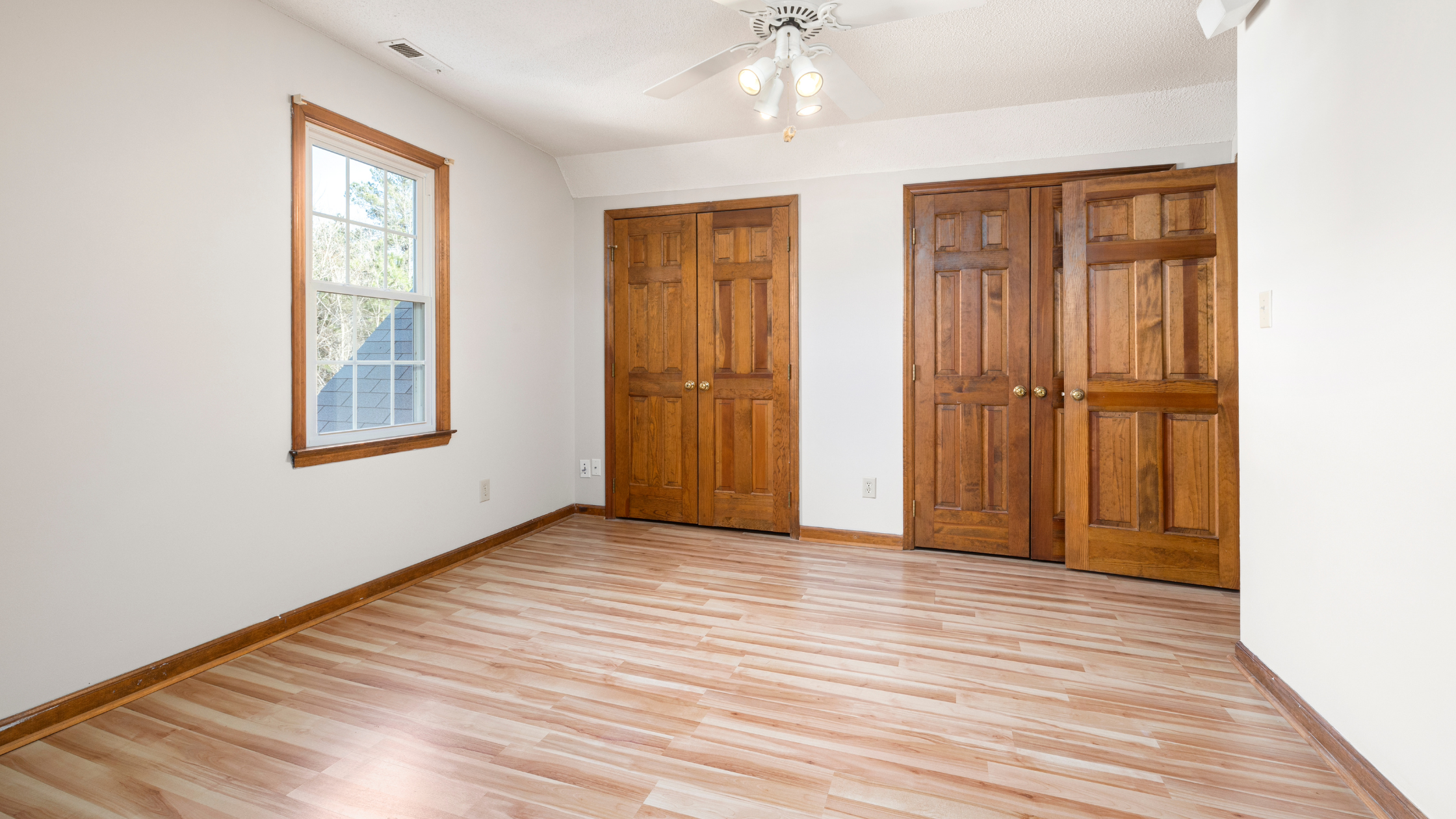
Small Room, Big Impact: Why Flooring Matters
When homeowners want to make a small room feel larger, they often think about paint colors, furniture placement, or lighting. While those details matter, flooring plays one of the biggest roles in how spacious a room feels.
The color, material, plank size, pattern, and installation direction of your flooring can completely change the way a room looks. In a smaller bedroom, hallway, office, bathroom, or living space, the right flooring choice can make the area feel brighter, wider, and more open.
For homeowners in Middle Tennessee, flooring also needs to be practical. Small rooms often serve important everyday purposes, from home offices and guest rooms to kids’ bedrooms, laundry rooms, and entryways. Choosing flooring that looks beautiful and performs well is key.
Top Tier Floors helps homeowners throughout Franklin, Brentwood, Spring Hill, Columbia, and surrounding Middle Tennessee communities choose flooring that enhances both the look and function of their homes.
Choose Lighter Flooring Colors
One of the easiest ways to make a small room look bigger is to choose lighter flooring. Light floors reflect more natural and artificial light, which helps the space feel brighter and more open.
Popular light flooring tones include:
Natural oak
Blonde wood
Soft beige
Light gray
Warm neutral brown
Cream-toned tile
Light luxury vinyl plank
These shades can help reduce visual heaviness and create a more open feeling, especially in rooms with limited natural light.
This does not mean every small room needs white or extremely pale flooring. Soft, natural tones often work best because they create brightness while still adding warmth and depth.
Avoid Flooring That Feels Too Dark or Heavy
Dark flooring can be beautiful, but it may make a small room feel more enclosed if the space does not have enough natural light. Deep brown, espresso, charcoal, or black flooring can absorb light rather than reflect it.
That does not mean dark floors are always off-limits. If a small room has large windows, light walls, and minimal furniture, darker flooring can still work. However, for most homeowners trying to make a room feel larger, lighter or medium-toned flooring is usually the safer choice.
If you love darker floors, consider balancing them with:
Light wall colors
Bright trim
Simple furniture
Large mirrors
Strong lighting
A professional flooring contractor in Middle Tennessee can help you decide whether a darker floor will work in your space or make the room feel smaller.
Use Consistent Flooring Between Rooms
One of the best ways to make a small room feel bigger is to create visual flow. When flooring changes abruptly from room to room, it can break up the home and make each space feel smaller.
Using the same flooring through connected areas can make the home feel more open and cohesive. This is especially helpful in:
Small bedrooms
Hallways
Open-concept spaces
Condos or townhomes
Small living rooms
Home offices
For example, continuing luxury vinyl plank flooring from a hallway into a bedroom can make the bedroom feel like part of a larger space instead of a separate, boxed-in room.
Consider Wide Plank Flooring
Wide plank flooring can help small rooms feel less busy. Narrow planks create more seams and lines, which can sometimes make a room feel visually cluttered. Wider planks create a cleaner, more streamlined appearance.
Wide plank flooring works especially well in:
Luxury vinyl plank
Engineered hardwood
Laminate
Hardwood flooring
The fewer visual breaks there are, the more open the room can feel. This is why many homeowners choose wide plank flooring for smaller spaces and open layouts.
Pay Attention to Flooring Direction
The direction your flooring is installed can have a major impact on how a room feels.
In many cases, installing planks lengthwise along the longest wall can make the room appear longer. This draws the eye across the space and creates a sense of movement.
For narrow rooms or hallways, running flooring in the same direction as the longest dimension can help stretch the space visually.
In some cases, diagonal installation can also make a room feel wider, though it may require more material and labor. A flooring professional can help determine the best installation direction based on your room’s layout.
Choose Flooring with Subtle Patterns
Flooring with heavy patterns, strong contrast, or busy grain can overwhelm a small room. While bold flooring can be beautiful, it may draw too much attention to the floor and make the space feel tighter.
For small rooms, look for flooring with subtle movement and natural variation. This creates interest without making the room feel crowded.
Good options include:
Soft wood-look luxury vinyl plank
Light engineered hardwood
Neutral laminate
Simple tile patterns
Low-contrast carpet
A balanced flooring pattern helps the room feel clean, calm, and open.
Use Larger Tile in Small Bathrooms or Laundry Rooms
Many homeowners assume small rooms need small tile, but larger tile can actually make a space feel bigger. Fewer grout lines create a smoother, less interrupted look.
Large-format tile can work well in:
Bathrooms
Laundry rooms
Mudrooms
Small entryways
Powder rooms
When paired with a light grout color and simple layout, larger tile can make a small room feel more spacious and polished.
Match Flooring with Wall and Trim Colors
Flooring does not exist on its own. The way it works with your walls, trim, cabinetry, and furniture matters.
For a small room, flooring that blends smoothly with the surrounding design can help create a more open feeling. High contrast can look dramatic, but too much contrast may visually chop up the space.
For a larger-looking room, consider pairing:
Light floors with soft neutral walls
Warm floors with cream or beige walls
Light oak floors with white trim
Neutral tile with simple cabinetry
Medium-toned floors with clean, bright paint colors
The goal is to create flow rather than harsh separation.
Think About Finish: Matte vs. Glossy
Flooring finish also affects how large a room feels. Glossy flooring reflects light, but it can also show scratches, dust, and imperfections more easily. Matte and satin finishes tend to feel softer, more modern, and easier to maintain.
For small rooms, a light or medium-toned floor with a matte or satin finish often works well. It creates a clean look without overwhelming the space.
Luxury vinyl plank, engineered hardwood, laminate, and tile all come in a variety of finish options, making it easier to find a style that fits your home.
Choose Low-Maintenance Flooring for Small High-Use Rooms
Small rooms often work harder than homeowners realize. A small home office may get daily use. A small bathroom may need frequent cleaning. A narrow entryway may handle shoes, pets, backpacks, and moisture.
That is why durability matters just as much as design.
Low-maintenance flooring options for small rooms include:
Luxury vinyl plank
Tile
Laminate
Engineered hardwood
Durable carpet
Luxury vinyl plank flooring is especially popular in Middle Tennessee because it offers the look of hardwood with added moisture resistance and easy maintenance.
Avoid Too Many Flooring Transitions
Flooring transitions are necessary in some homes, but too many transitions can make a space feel divided. In smaller homes or small connected rooms, reducing unnecessary flooring changes can help the entire area feel larger.
For example, using the same flooring through a hallway, bedroom, and closet can create a cleaner visual line. This makes the room feel more intentional and spacious.
A professional flooring installation team can help create smooth, clean transitions where they are needed.
Best Flooring Options for Making Small Rooms Look Bigger
Several flooring materials can work well in small spaces, depending on the room and your lifestyle.
Luxury Vinyl Plank
Luxury vinyl plank is a great choice for small rooms because it is durable, stylish, and available in many light and neutral tones. It also works well in moisture-prone areas, making it versatile for bathrooms, laundry rooms, kitchens, and entryways.
Engineered Hardwood
Engineered hardwood provides the warmth of real wood with added stability. It can be a strong choice for small bedrooms, offices, and living spaces where homeowners want a natural, high-end look.
Laminate Flooring
Laminate is available in many wood-look styles and can be a budget-friendly way to brighten a small room. Many modern laminate products offer realistic texture and durable performance.
Tile Flooring
Tile is ideal for small bathrooms, laundry rooms, and entryways. Larger tile sizes and lighter tones can help make these spaces feel more open.
Carpet
Carpet can work well in small bedrooms or cozy spaces. Choosing a lighter neutral carpet can make the room feel soft and comfortable without closing it in.
Why Professional Flooring Installation Matters
Even the right flooring material can fall short if it is not installed properly. In small rooms, details are especially noticeable. Uneven cuts, awkward transitions, poor plank direction, or mismatched patterns can make the space feel less polished.
Professional flooring installation helps ensure:
Accurate measurements
Clean cuts
Proper plank direction
Smooth transitions
Long-lasting performance
A finished look that enhances the room
Top Tier Floors provides professional flooring installation in Middle Tennessee, helping homeowners choose materials and layouts that make their spaces feel larger, brighter, and more functional.
Make the Most of Every Room in Your Home
Small rooms do not have to feel cramped. With the right flooring color, material, pattern, and installation direction, you can make a smaller space feel more open and inviting.
Whether you are updating a bedroom, bathroom, home office, hallway, laundry room, or entryway, flooring can make a major difference in how the room looks and feels.
Top Tier Floors proudly serves Franklin, Brentwood, Spring Hill, Columbia, and surrounding Middle Tennessee communities with expert flooring guidance and professional installation.
📞 931-982-2066
📧 alex@toptierfloorstn.com