How to Match New Flooring with Existing Flooring in Your Home
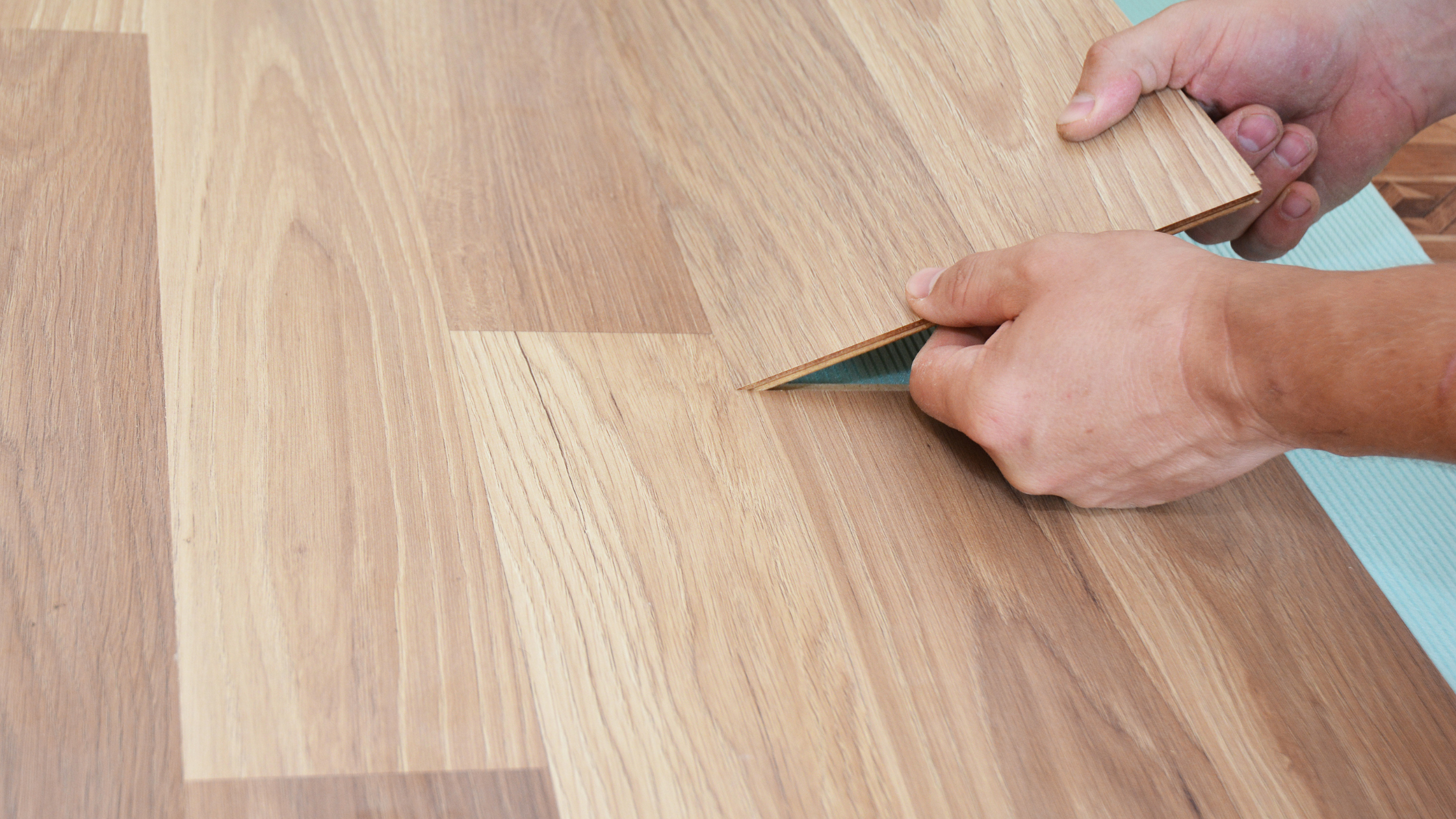
Why Matching New Flooring Matters
Replacing flooring in one part of your home can make a big difference, but it also comes with an important design challenge: how do you make the new flooring work with what is already there?
Many homeowners do not replace every floor in the home at once. You may be updating a kitchen, replacing carpet in a bedroom, refreshing a hallway, or installing new flooring after damage or remodeling. In these situations, the goal is to make the new flooring feel intentional instead of mismatched.
Matching new flooring with existing flooring is about more than finding a similar color. Material, undertone, plank width, texture, finish, and transition placement all play a role in how cohesive your home feels.
For homeowners in Middle Tennessee, flooring choices should also account for lifestyle, humidity, foot traffic, and long-term durability. Top Tier Floors helps homeowners throughout Franklin, Brentwood, Spring Hill, Columbia, and surrounding communities select flooring that blends beautifully with their home while performing well over time.
Start by Identifying Your Existing Flooring
Before choosing new flooring, it is important to understand what you already have. Existing floors may look like hardwood, but they could be engineered hardwood, laminate, or luxury vinyl plank. Each material has different thicknesses, finishes, installation methods, and long-term performance.
Start by looking at:
The flooring material
The plank width
The color and undertone
The surface texture
The finish level
The thickness or height
The direction of the installation
If you are unsure what type of flooring you currently have, a professional flooring contractor in Middle Tennessee can help identify it and recommend compatible options.
Decide Whether to Match or Complement
One of the biggest decisions is whether you want the new flooring to match the existing flooring closely or complement it with a different but coordinated look.
Trying to create an exact match can be difficult, especially if your existing flooring is older. Flooring colors can fade over time due to sunlight, cleaning products, wear, and natural aging. Even if you find the original product, the new material may look slightly different next to the older flooring.
In many cases, choosing a complementary floor is better than forcing a near-match that does not quite work.
A close match may be best when:
The existing flooring is newer
The flooring continues into the same open area
The original product is still available
The room connection is highly visible
A complementary choice may be better when:
The existing flooring is older or discontinued
The new room has a clear separation
The home has multiple flooring types already
You want to update the style without replacing everything
The key is making the transition feel planned.
Pay Attention to Undertones
Color is important, but undertone is what often determines whether two floors look good together. Flooring can have warm, cool, or neutral undertones.
Warm undertones include shades of:
Honey
Gold
Red
Chestnut
Warm brown
Cool undertones include shades of:
Gray
Ash
Taupe
Charcoal
Cool brown
Neutral undertones sit between warm and cool and are often easier to pair with existing floors.
When matching new flooring with existing flooring, avoid placing strongly warm and strongly cool floors directly next to each other unless there is a clear transition or design reason. For example, a golden oak floor next to a gray-toned floor may feel disconnected if the colors are too different.
A flooring professional can help compare samples in your actual home lighting to make sure the undertones work together.
Consider Natural Light in Each Room
Flooring colors can look very different depending on lighting. A sample that looks perfect in one room may appear too yellow, too gray, too dark, or too light in another.
Natural light affects flooring throughout the day. Morning light, afternoon sun, and evening lighting can all change the way a floor appears. This is especially important in Middle Tennessee homes with bright sun exposure, covered porches, shaded rooms, or large windows.
Before making a final decision, view flooring samples:
In the room where they will be installed
Next to the existing flooring
In morning and evening light
Under artificial lighting
Beside cabinets, trim, and wall colors
This simple step can prevent choosing a floor that looks mismatched after installation.
Match Plank Width and Direction When Possible
Plank width can have a major impact on how well flooring blends between rooms. If your existing flooring has narrow planks and the new flooring has very wide planks, the difference will be noticeable.
This does not always mean you must choose the exact same width, but similar proportions usually create a smoother look.
Installation direction matters too. When flooring flows from one room into another, continuing the same plank direction can help create visual consistency. In open layouts, changing direction unexpectedly can make the space feel choppy.
However, there are situations where changing direction makes sense, especially if:
The room layout changes
There is a doorway or threshold
The new flooring is a different material
A transition strip is needed
The subfloor or installation method requires it
Professional flooring installation helps ensure plank direction and transitions are handled correctly.
Think About Flooring Height
Flooring height is one of the most practical details when matching new flooring with existing floors. Different materials have different thicknesses. Hardwood, tile, luxury vinyl plank, laminate, and carpet may all sit at different heights.
If flooring heights are not managed properly, transitions can feel awkward or create tripping hazards.
Height differences can occur between:
Hardwood and tile
Carpet and luxury vinyl plank
Laminate and hardwood
Tile and vinyl plank
New flooring and older flooring
A professional flooring contractor can recommend transition pieces, underlayment adjustments, or installation methods that create a safer and cleaner finished result.
Use Transitions Strategically
Transitions are often necessary when two flooring types meet, but they should be used thoughtfully. A good transition makes flooring changes feel clean and intentional.
Common transition areas include:
Doorways
Hallways
Room openings
Stair landings
Kitchen entrances
Bathroom thresholds
If two floors are very similar but not exact, a transition strip can help separate them visually. This is especially helpful when trying to avoid the appearance of a failed match.
For example, if you cannot perfectly match existing hardwood, adding a clean threshold between the old and new flooring may make the difference feel intentional instead of accidental.
Coordinate with Cabinets, Trim, and Wall Colors
Your new flooring should work with more than just your existing floors. It should also coordinate with the rest of the home.
When comparing flooring samples, look at how they pair with:
Kitchen cabinets
Bathroom vanities
Baseboards
Interior doors
Wall colors
Furniture
Countertops
Wood furniture and flooring do not need to match exactly, but they should feel balanced. Too many competing wood tones can make a room feel busy. A neutral flooring tone can often help tie different finishes together.
Be Careful with “Almost Matches”
One of the most common flooring mistakes is choosing a floor that almost matches but is slightly off. This can be more noticeable than choosing a clearly different but complementary floor.
An almost-match may look:
Too yellow
Too gray
Too red
Too light
Too dark
Too shiny
Too textured
When flooring is installed side by side, small differences become more obvious. If an exact match is not possible, it may be better to choose a coordinating contrast or use a transition to separate the spaces.
Matching Hardwood Flooring
Hardwood can be one of the most difficult flooring materials to match because wood naturally changes over time. Sunlight, finish wear, refinishing history, and species differences can all affect appearance.
If you are trying to match existing hardwood, consider:
Wood species
Board width
Stain color
Grain pattern
Finish sheen
Age of the existing floor
Sometimes refinishing the existing hardwood and installing new hardwood at the same time can create a more unified look. In other cases, selecting a complementary material may be more practical.
Top Tier Floors can help homeowners evaluate whether matching, refinishing, or transitioning is the best option.
Matching Luxury Vinyl Plank or Laminate
Luxury vinyl plank and laminate flooring can sometimes be easier to match if the original product is still available. However, manufacturers may discontinue colors, collections, or textures over time.
When matching LVP or laminate, compare:
Product thickness
Wear layer
Locking system
Color variation
Embossed texture
Plank dimensions
Even if the color looks similar, differences in texture or plank size can make the floors look mismatched.
If the original product is unavailable, a complementary option with a clean transition may be the best solution.
Matching Tile Flooring
Tile can also be challenging to match because styles, sizes, and dye lots change. Even the same tile product may vary slightly between production runs.
When adding new tile near existing tile, consider:
Tile size
Color variation
Texture
Grout color
Pattern
Finish
Sometimes changing the tile size or pattern intentionally can make the design feel updated rather than mismatched. For bathrooms, laundry rooms, and entryways, this can be a great opportunity to create a clean, defined space.
When to Replace More Flooring Than Planned
Sometimes the best solution is replacing more flooring than originally expected. While this may increase the project scope, it can create a much better final result.
Replacing a larger area may make sense when:
The existing flooring is heavily worn
The old flooring is discontinued
The home has too many flooring transitions
The current flooring lowers resale appeal
The connected rooms feel visually chopped up
For homeowners planning to sell in the future, consistent flooring throughout main living areas can make the home feel larger, cleaner, and more updated.
How Professional Guidance Helps
Matching new flooring with existing flooring can be difficult because there are so many details to consider. What looks close in a showroom may look completely different once installed in your home.
A professional flooring contractor can help with:
Identifying existing flooring
Comparing samples
Checking flooring height
Planning transitions
Recommending materials
Avoiding costly design mistakes
Professional installation also ensures that the new flooring performs well and looks polished once complete.
Create a Cohesive Look with Top Tier Floors
New flooring does not have to feel disconnected from the rest of your home. With the right material, color, undertone, plank size, and transition plan, your new floors can blend beautifully with your existing space.
Whether you are updating one room, replacing damaged flooring, renovating a high-traffic area, or planning a larger home refresh, Top Tier Floors can help you make the right choice.
Top Tier Floors proudly serves Franklin, Brentwood, Spring Hill, Columbia, and surrounding Middle Tennessee communities with expert flooring guidance and professional installation.
📞 931-982-2066
📧 alex@toptierfloorstn.com