Should You Refinish or Replace Your Hardwood Floors?
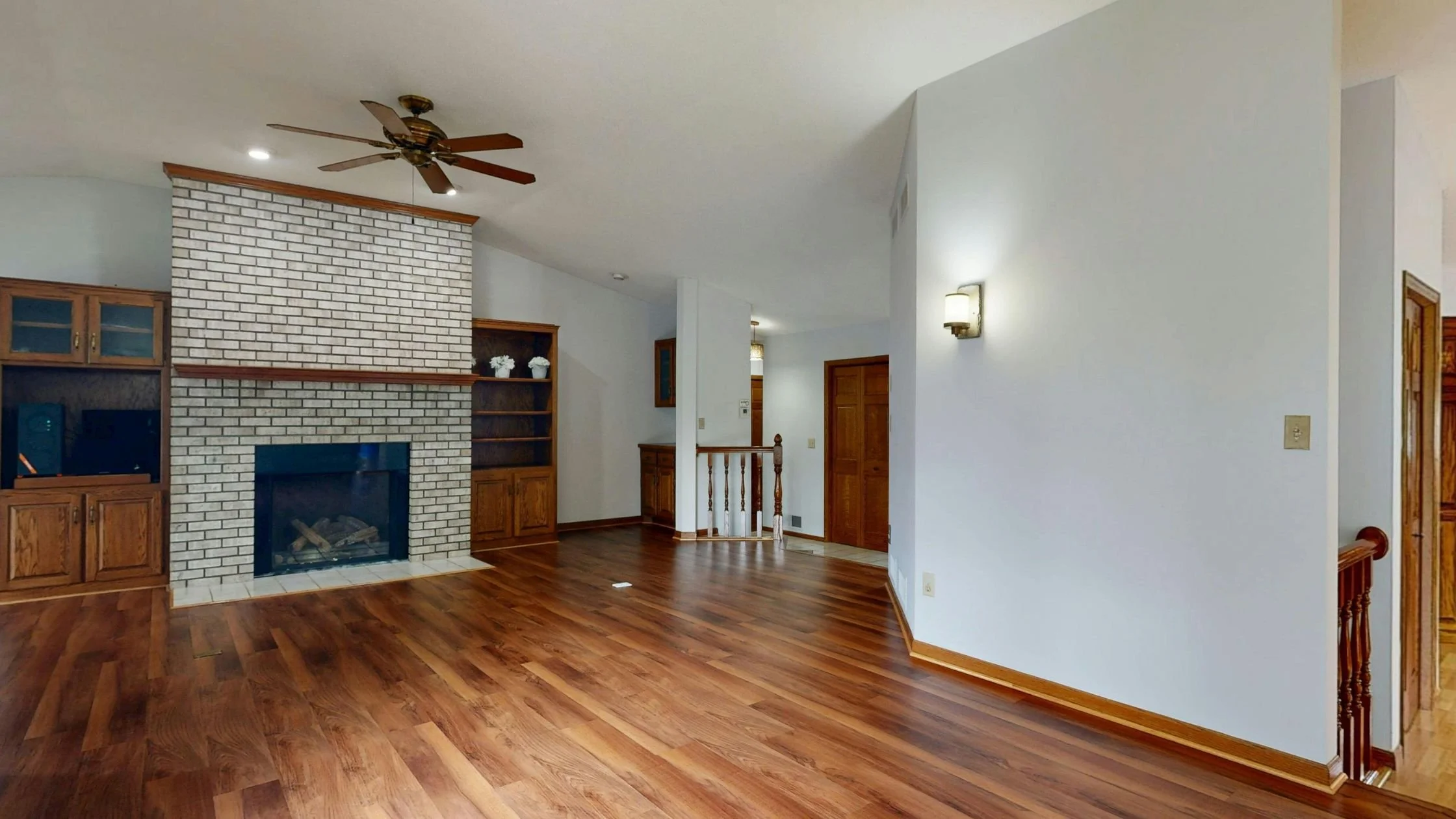
Understanding Your Hardwood Flooring Options
Hardwood flooring is one of the most timeless features a home can have. Its natural beauty, durability, and ability to complement nearly any interior design style make it a popular choice among homeowners throughout Middle Tennessee. However, even well-maintained hardwood floors eventually begin to show signs of age.
Scratches, fading, discoloration, and everyday wear can leave homeowners wondering whether their existing floors can be restored or if it's time for a complete replacement.
When deciding between refinishing and hardwood floor replacement in Middle Tennessee, several factors come into play, including the condition of the wood, the extent of the damage, and your long-term goals for the space.
Understanding the differences between these options can help you make a confident decision about your flooring investment.
When Hardwood Floor Refinishing Makes Sense
Refinishing hardwood floors involves sanding away the existing surface finish and applying a new protective coating. This process can restore the appearance of worn flooring without requiring a complete replacement.
For homeowners whose floors are structurally sound but have experienced cosmetic wear, refinishing may be an effective solution.
Signs Your Hardwood Floors May Be Good Candidates for Refinishing
Surface-level scratches and scuffs
Faded or worn finishes
Minor discoloration
Dull areas caused by regular foot traffic
A desire to update the stain color
Refinishing can give existing hardwood a refreshed appearance while preserving the original material.
However, not every hardwood floor can be refinished. The thickness of the remaining wood, previous refinishing work, and overall structural condition must be considered before moving forward.
Engineered hardwood also has refinishing limitations depending on the thickness of its real wood surface layer.
When Hardwood Floor Replacement Is the Better Choice
While refinishing can address many cosmetic concerns, some flooring problems extend beyond the surface.
In these situations, replacing your hardwood floors may provide better long-term performance and a more reliable result.
Extensive Water Damage
Water is one of the biggest threats to hardwood flooring. Prolonged moisture exposure can cause boards to swell, warp, cup, or separate.
Although minor moisture-related issues may be repairable, severe damage can compromise the flooring and the materials underneath.
If water damage has affected a significant portion of the floor, replacement may be necessary.
Deep Scratches and Structural Damage
Deep gouges, cracked boards, and significant deterioration can make refinishing less effective.
If the flooring has become unstable, loose, or uneven, simply restoring the surface finish will not address the underlying problem.
Floors That Have Been Refinished Multiple Times
Solid hardwood can often be refinished several times throughout its lifespan, but there is a limit.
Once the usable wood above the tongue-and-groove joints becomes too thin, additional sanding can weaken the boards.
At that point, hardwood floor replacement may be the more practical option.
A Complete Design Transformation
Sometimes, the decision to replace hardwood has nothing to do with damage.
Homeowners may want wider planks, a different wood species, or a completely new flooring style that cannot be achieved through refinishing alone.
For renovations in Franklin, Brentwood, Spring Hill, and surrounding Middle Tennessee communities, replacing older flooring can help create a more cohesive interior design.
Comparing the Cost of Refinishing and Replacing Hardwood Floors
Cost is often a deciding factor when choosing between refinishing and replacement.
In general, refinishing existing hardwood costs less than removing and installing entirely new flooring. However, the final price depends on the condition of the floors and the amount of preparation required.
Factors that influence the cost include:
Total square footage
Existing flooring condition
Repairs needed before refinishing
Wood species and flooring material
Removal and disposal of old flooring
Subfloor preparation
Installation complexity
While refinishing may be more affordable initially, replacing severely damaged flooring can prevent repeated repair expenses.
The most cost-effective solution is the one that addresses the actual condition of your floors rather than simply improving their appearance.
How Middle Tennessee's Climate Affects Hardwood Floors
Humidity is another important consideration when evaluating hardwood flooring.
Middle Tennessee experiences seasonal changes in temperature and moisture levels. Because hardwood is a natural material, it responds to changes in its surrounding environment.
During humid periods, wood may absorb moisture and expand. During drier months, it may contract.
These changes can contribute to gaps, cupping, or movement between boards.
Before replacing hardwood flooring, it's important to identify whether moisture conditions contributed to the original damage. Installing new materials without addressing an ongoing moisture problem could result in similar issues later.
Maintaining consistent indoor humidity and choosing appropriate flooring materials can help support long-term performance.
Should You Replace Only the Damaged Sections?
In some situations, replacing a few damaged boards may be possible without removing the entire floor.
This approach can work when the surrounding hardwood remains in good condition and compatible replacement materials are available.
However, matching older hardwood can be challenging.
Differences in wood grain, color, plank dimensions, and natural aging may make replacement sections more noticeable.
If damage is widespread or the existing material is difficult to match, a larger replacement project may create a more consistent appearance.
Making the Right Investment for Your Home
Choosing between refinishing and replacing hardwood floors ultimately comes down to the condition of your existing flooring and what you want to achieve.
Refinishing may be the right solution when the wood is structurally sound and only needs a cosmetic refresh.
Replacement becomes more appealing when damage is extensive, repairs are no longer practical, or you're ready for a completely different look.
For homeowners considering hardwood flooring in Middle Tennessee, evaluating these factors before beginning a renovation can help avoid unnecessary expenses.
Explore Hardwood Flooring Replacement with Top Tier Floors
Beautiful hardwood flooring starts with selecting the right materials and understanding the needs of your home.
Top Tier Floors provides professional flooring solutions for homeowners throughout Franklin, Brentwood, Spring Hill, Columbia, and surrounding Middle Tennessee communities.
Whether you're replacing damaged hardwood or planning a complete flooring upgrade, the team can help you explore options that complement your space and lifestyle.
📞 931-982-2066
📧 alex@toptierfloorstn.com