The Hidden Costs of DIY Flooring Installation
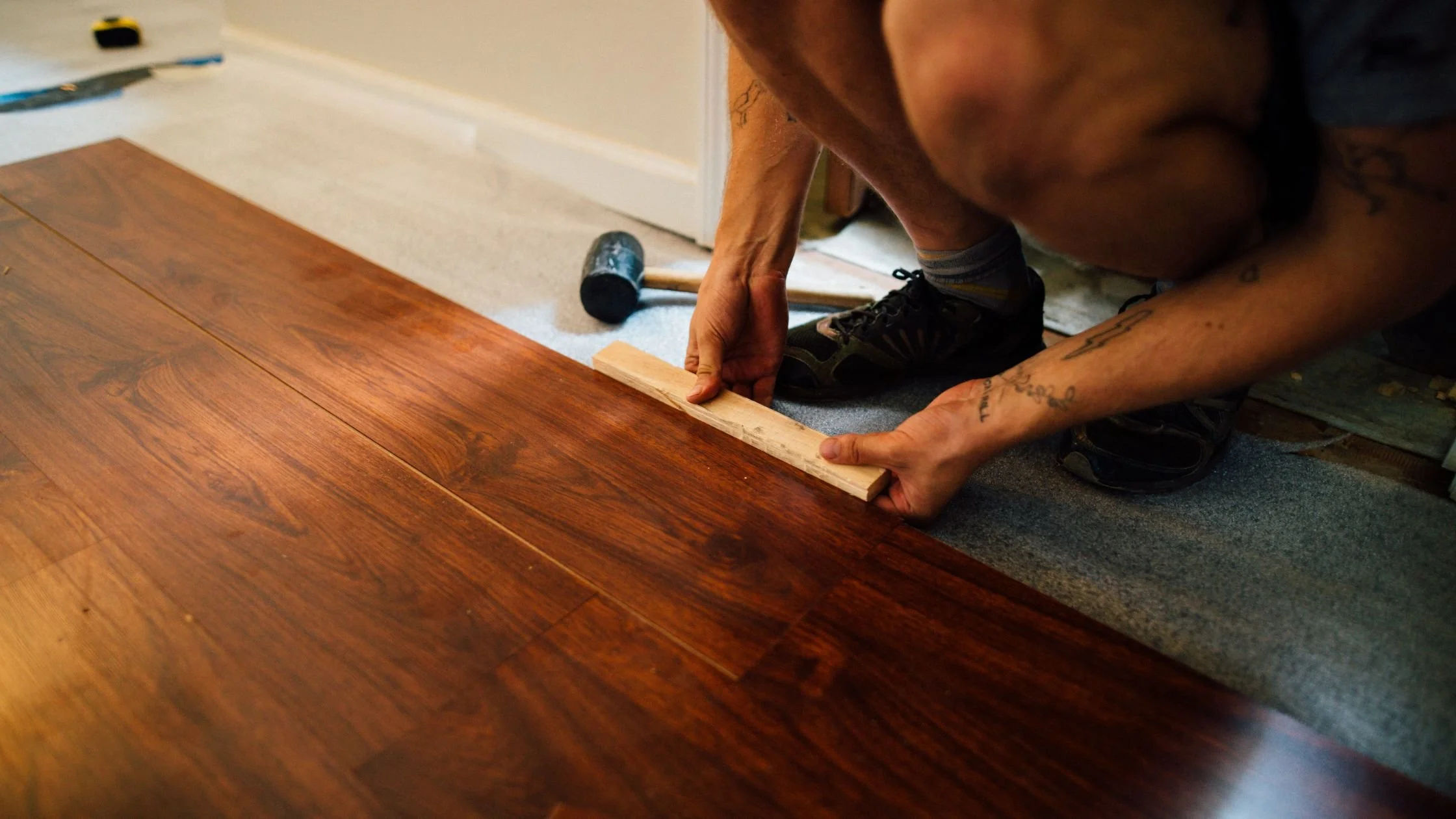
Is DIY Flooring Installation Really Worth the Savings?
Home improvement projects have become increasingly popular among homeowners looking to update their spaces while staying within budget. With countless online tutorials and readily available flooring materials, installing new floors yourself may seem like a straightforward way to save money.
However, flooring installation involves more than simply laying planks or securing materials in place.
When comparing DIY flooring installation vs. professional installation, it's important to consider the full scope of the project, including tools, preparation, materials, time, and potential mistakes.
For homeowners throughout Middle Tennessee, understanding these hidden costs can help determine whether taking on the project independently is truly the most affordable option.
The Cost of Specialized Tools and Equipment
One of the most commonly overlooked expenses of DIY flooring installation is the equipment required to complete the job properly.
Depending on the flooring material, installation may require tools that the average homeowner doesn't already own.
Common flooring installation tools include:
Flooring cutters or saws
Measuring and layout equipment
Spacers and tapping blocks
Pull bars and installation mallets
Moisture meters
Adhesive application tools
Personal protective equipment
Some tools can be rented, while others may need to be purchased.
These costs can add up quickly, particularly for homeowners completing a relatively small flooring project.
Professional installers typically already have the equipment needed to complete different types of flooring installations efficiently.
Material Waste Can Increase Your Budget
Flooring projects rarely require only the exact square footage of the room.
Additional material is generally needed to account for cuts, irregular room shapes, installation patterns, and unexpected adjustments.
For inexperienced installers, measurement errors and incorrect cuts can increase material waste.
This becomes particularly expensive when working with premium hardwood or specialty flooring products.
Why Accurate Measurements Matter
Proper measurements help determine:
The amount of flooring required
Allowances for waste
Material layout
Transition locations
Cuts around doorways and architectural features
Purchasing too little material can delay the project, while purchasing significantly more than necessary increases upfront expenses.
Careful planning is essential for keeping a flooring renovation within budget.
Subfloor Problems Can Lead to Unexpected Expenses
A flooring installation is only as reliable as the surface beneath it.
Before installing new flooring, the existing subfloor must be evaluated for flatness, moisture, damage, and structural stability.
Problems may not become apparent until the old flooring has been removed.
Homeowners may discover:
Uneven subfloor surfaces
Moisture damage
Loose or damaged sections
Old adhesive residue
Areas requiring additional preparation
Ignoring these conditions can lead to movement, uneven flooring, or premature failure.
Addressing subfloor problems correctly may require additional materials, equipment, and expertise that weren't included in the original DIY budget.
Installation Mistakes Can Be Expensive to Correct
Some flooring mistakes are immediately noticeable. Others may not become apparent until weeks or months after installation.
Common DIY flooring installation mistakes include:
Incorrect expansion gaps
Improper plank alignment
Poorly fitted transitions
Inadequate subfloor preparation
Using incompatible adhesives or underlayment
Installing materials outside manufacturer requirements
These issues can affect both appearance and performance.
In some situations, correcting an installation mistake requires removing a portion of the finished flooring.
If materials are damaged during removal, replacement products may need to be purchased.
What initially appeared to be a cost-saving project can become more expensive than expected.
Your Time Has Value Too
Another hidden cost of DIY flooring installation is the amount of time required to complete the project.
For homeowners without installation experience, even a relatively simple room can involve several days of preparation, cutting, installation, and cleanup.
Larger projects may take considerably longer.
During this time, rooms may be unusable, furniture may need to remain in temporary locations, and daily routines can be disrupted.
Professional installers bring experience that can help streamline the process and reduce unnecessary delays.
While project timelines vary based on material, room size, and site conditions, having an experienced team handle the installation can make the renovation more manageable.
Manufacturer Warranties and Installation Requirements
Many flooring products include manufacturer warranties, but those warranties typically come with specific conditions.
Installation instructions may address:
Subfloor moisture limits
Required expansion space
Approved underlayment
Adhesive compatibility
Temperature and humidity conditions
Approved installation methods
Failing to follow these requirements can affect warranty eligibility.
It's important to understand that professional installation does not automatically guarantee warranty coverage. However, working with a knowledgeable flooring contractor can help reduce the risk of installation errors that conflict with manufacturer guidelines.
Why Certain Flooring Projects Are More Challenging Than Others
Not all flooring materials require the same level of installation expertise.
Some floating-floor products are designed with DIY installation in mind. However, even these systems require accurate preparation and careful attention to manufacturer instructions.
Other projects can be significantly more complicated.
Hardwood Flooring
Hardwood installation requires consideration of moisture conditions, subfloor compatibility, expansion allowances, and the appropriate fastening or adhesive method.
Glue-Down Vinyl Flooring
Glue-down flooring requires careful surface preparation and correct adhesive application.
Improper installation can lead to bonding problems or visible surface imperfections.
Staircases and Complex Layouts
Staircases, angled rooms, and areas with multiple transitions often require precise cutting and specialized installation details.
These projects leave less room for error and may involve additional safety considerations.
Comparing Upfront Savings with Long-Term Value
DIY installation can be a reasonable choice for certain homeowners, particularly those with experience, the proper tools, and a straightforward project.
However, the lowest initial cost isn't always the lowest total cost.
When comparing DIY flooring installation with professional services, consider the complete investment rather than labor expenses alone.
Think about material waste, tool purchases, installation time, potential corrections, and the long-term performance of the finished floor.
A professionally installed floor can offer value through careful workmanship, appropriate preparation, and a more predictable renovation experience.
Choosing a Flooring Contractor in Middle Tennessee
Working with a local flooring contractor gives homeowners access to guidance based on their specific space, material selection, and installation requirements.
At Top Tier Floors, quality craftsmanship, honest pricing, and attention to detail are central to the company's approach.
Whether you're replacing outdated flooring or planning a larger renovation, professional guidance can help you understand the scope of the project before installation begins.
Get More Value from Your Flooring Investment
Installing new flooring should improve your home, not create unnecessary stress or unexpected expenses.
While DIY flooring installation may seem appealing at first, understanding the hidden costs can help you make a more informed decision.
Top Tier Floors provides professional flooring installation for homeowners and businesses throughout Franklin, Brentwood, Spring Hill, Columbia, and surrounding Middle Tennessee communities.
📞 931-982-2066
📧 alex@toptierfloorstn.com