What Causes Flooring Gaps, Buckling or Lifting?
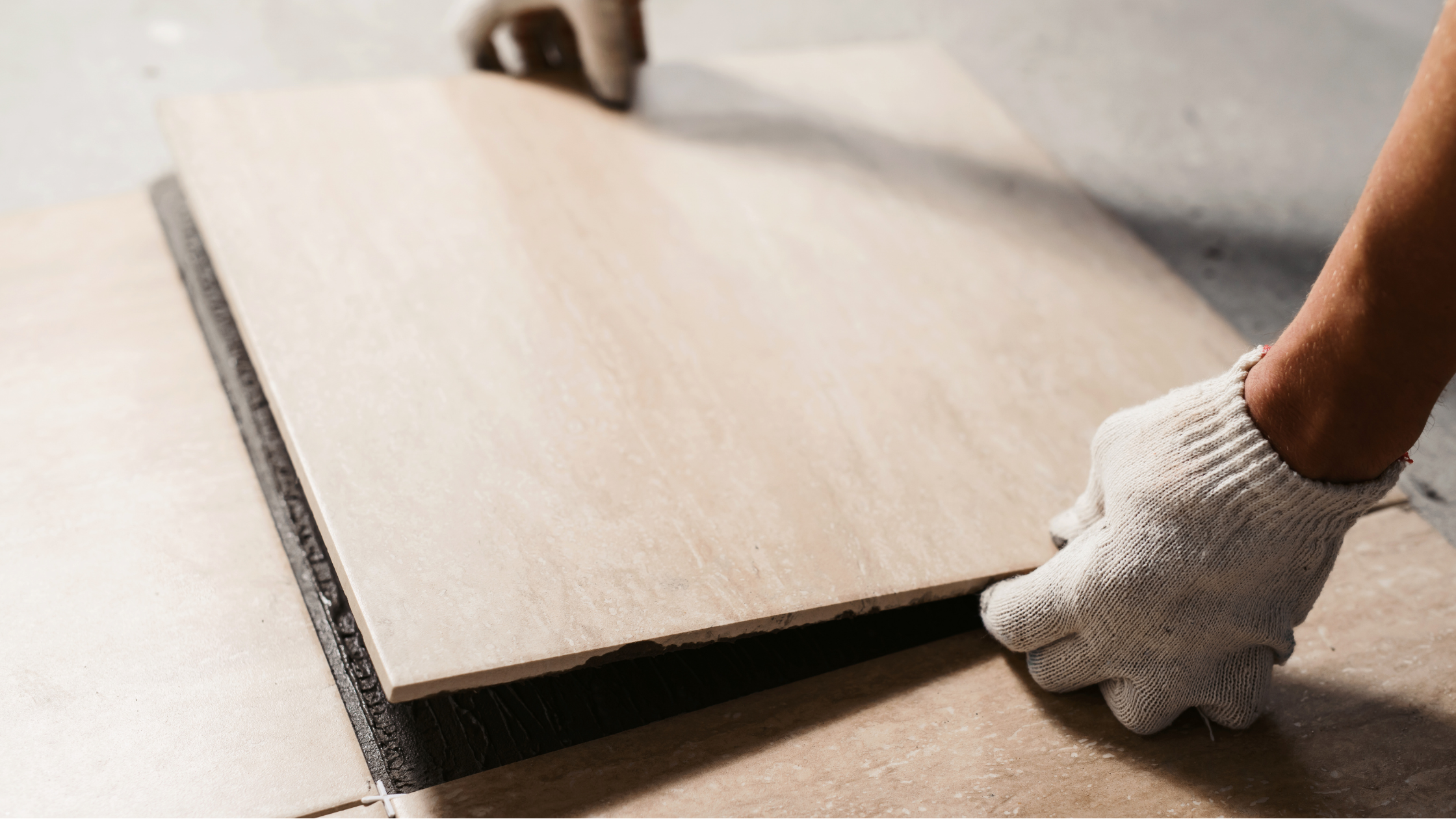
Understanding Common Flooring Problems
Flooring is one of the most noticeable features in a home, so when something feels off, homeowners usually spot it quickly. Gaps between planks, buckling boards, lifted edges, uneven areas, or loose flooring can all be frustrating signs that something is wrong beneath the surface.
These issues can happen with hardwood, engineered hardwood, laminate, luxury vinyl plank, tile, and other flooring materials. While the visible problem may be on the surface, the cause is often related to moisture, subfloor conditions, seasonal movement, or installation mistakes.
For homeowners in Middle Tennessee, flooring gaps, buckling, and lifting can be especially common because of humidity changes throughout the year. Hot, humid summers and cooler, drier winter months can affect how certain flooring materials expand, contract, and perform over time.
Top Tier Floors helps homeowners throughout Franklin, Brentwood, Spring Hill, Columbia, and surrounding Middle Tennessee communities identify flooring issues and choose long-lasting solutions.
What Are Flooring Gaps?
Flooring gaps are spaces that appear between planks, boards, or tiles. They may be small and barely noticeable, or large enough to collect dirt and debris.
Gaps are most common in wood-based flooring products because natural materials react to changes in moisture and humidity. However, gaps can also appear in laminate or luxury vinyl plank if the flooring was not installed properly or if the subfloor is uneven.
Common signs of flooring gaps include:
Visible spaces between planks
Drafts or debris collecting between boards
Boards separating near walls or transitions
Uneven spacing throughout the room
Small seasonal gaps may not always mean there is a major issue, but larger or worsening gaps should be evaluated by a professional flooring contractor.
What Causes Flooring Gaps?
Several factors can cause flooring gaps in Middle Tennessee homes.
Seasonal Humidity Changes
Wood naturally expands when humidity is high and contracts when humidity is low. During humid months, flooring may absorb moisture and expand. During drier months, the material may shrink slightly, creating gaps.
This movement is especially common with hardwood flooring. Proper acclimation before installation and consistent indoor humidity can help reduce excessive movement.
Improper Acclimation
Before installation, many flooring materials need time to adjust to the temperature and humidity inside the home. This process is called acclimation.
If hardwood, engineered hardwood, laminate, or certain other materials are installed too quickly after delivery, they may expand or contract after installation. This can lead to gaps, buckling, or other movement.
Professional hardwood flooring installation in Tennessee should always account for acclimation and local climate conditions.
Incorrect Expansion Space
Floating floors and wood-based flooring need room to expand and contract. If installers do not leave the proper expansion gap around the perimeter of the room, the flooring may press against walls or fixed objects.
This can cause the floor to shift, buckle, or separate in other areas.
Subfloor Problems
An uneven or damaged subfloor can prevent flooring from sitting properly. Over time, this may cause planks to separate or move.
Subfloor issues may include:
Uneven surfaces
Moisture damage
Weak or soft spots
Old adhesive residue
Poor previous installation work
A professional flooring installation team should inspect the subfloor before installing new flooring.
What Is Flooring Buckling?
Flooring buckling happens when planks or boards lift upward from the subfloor. Instead of lying flat, the flooring may rise, curve, or form a raised area.
Buckling can be minor at first, but it often worsens if the underlying cause is not addressed.
Signs of buckling include:
Raised or uneven planks
Boards pulling away from the subfloor
A wave-like appearance
Flooring that feels unstable underfoot
Edges lifting near walls or transitions
Buckling should never be ignored because it often points to moisture or installation problems.
What Causes Flooring to Buckle?
Buckling usually happens when flooring expands but does not have enough space to move.
Excess Moisture
Moisture is one of the most common causes of flooring buckling. Water can come from plumbing leaks, appliance leaks, wet crawl spaces, slab moisture, flooding, or high indoor humidity.
When flooring absorbs too much moisture, it can swell and push upward.
Moisture-related buckling is often seen near:
Kitchens
Bathrooms
Laundry rooms
Basements
Exterior doors
Windows
Crawl spaces
In Middle Tennessee homes, moisture testing is an important step before installing many flooring materials.
Water Spills Left Too Long
Small spills are usually not a major issue if cleaned quickly. However, standing water can seep into seams, edges, or the subfloor.
This can cause swelling, lifting, or separation depending on the material.
Homes with pets, children, or high-traffic kitchens should consider water-resistant or waterproof flooring options like luxury vinyl plank or tile.
No Room for Expansion
Flooring needs space to move naturally. If the material expands and runs into a wall, cabinet, or fixed object, the pressure can force it upward.
This is common when expansion gaps are too small or when flooring is pinned down by heavy built-ins.
Poor Installation
Even high-quality flooring can buckle if it is not installed correctly. Installation mistakes may include:
Skipping acclimation
Failing to level the subfloor
Using the wrong adhesive
Not leaving expansion space
Incorrect fastening methods
Ignoring manufacturer guidelines
Working with an experienced flooring contractor in Middle Tennessee helps prevent these issues from the start.
What Is Flooring Lifting?
Flooring lifting happens when part of the floor separates from the surface below or rises at the edges. This can happen with floating floors, glue-down vinyl plank, tile, laminate, or hardwood.
Lifting may look like:
Edges curling upward
Loose or hollow-feeling planks
Tile coming loose
Vinyl plank separating from adhesive
Sections of flooring moving underfoot
Lifting can be caused by moisture, adhesive failure, subfloor problems, or improper installation.
What Causes Flooring to Lift?
Moisture Beneath the Floor
If moisture becomes trapped beneath flooring, it can weaken adhesive, cause swelling, or create movement. Concrete slabs, crawl spaces, and bathrooms are common areas where moisture problems may appear.
Moisture barriers and proper subfloor preparation are important for long-term flooring performance.
Adhesive Failure
Glue-down flooring depends on proper adhesive selection and application. If the wrong adhesive is used, or if the subfloor was not cleaned correctly, flooring may begin to lift.
Adhesive failure can also happen when moisture interferes with the bond.
Uneven Subfloor
Flooring needs a flat, stable surface. If the subfloor has dips, bumps, or soft spots, flooring may flex or separate over time.
This is especially important for luxury vinyl plank, laminate, tile, and hardwood installation.
Heavy Furniture or Improper Loads
Some flooring materials, especially floating floors, need freedom to move. Heavy cabinets, islands, or built-ins placed on top of floating flooring can restrict movement and cause lifting or buckling.
A professional installer can help determine where flooring should be installed and where fixed objects should be handled differently.
How Tennessee Humidity Impacts Flooring
Middle Tennessee’s climate can be hard on flooring because humidity levels change throughout the year. Wood-based materials are especially sensitive to these changes.
During humid seasons, flooring may expand. During dry seasons, it may contract. While some movement is normal, excessive gaps, buckling, or lifting can point to a bigger issue.
Homeowners can help protect their floors by:
Maintaining consistent indoor humidity
Using proper ventilation
Cleaning spills quickly
Addressing leaks immediately
Scheduling professional installation
Choosing materials suited for Tennessee homes
For many homeowners, luxury vinyl plank flooring in Middle Tennessee offers added peace of mind because it is highly resistant to moisture and everyday wear.
When Should You Be Concerned?
Not every small gap or minor movement means your flooring is failing. Some seasonal changes are normal, especially with natural wood.
However, you should contact a flooring professional if you notice:
Large or growing gaps
Buckling that worsens over time
Soft or spongy areas
Musty odors
Visible water damage
Planks lifting or shifting
Tile cracking or coming loose
Repeated issues in the same area
These signs may indicate moisture problems, subfloor damage, or installation failure.
Can Flooring Gaps, Buckling, or Lifting Be Fixed?
The solution depends on the cause and the type of flooring.
Minor seasonal gaps may improve when humidity levels stabilize. However, buckling or lifting often requires professional evaluation.
Possible solutions may include:
Moisture testing
Subfloor repair
Replacing damaged planks
Reinstalling loose sections
Improving ventilation
Adding proper transitions
Replacing flooring in severely damaged areas
It is important to address the source of the problem before repairing the visible damage. Otherwise, the issue may return.
How Professional Installation Helps Prevent Flooring Problems
Many flooring problems can be prevented with proper installation. A professional flooring contractor will evaluate the home, prepare the subfloor, account for moisture, and install the material according to best practices.
Professional flooring installation helps prevent:
Improper expansion spacing
Poor adhesive bonding
Subfloor-related movement
Moisture-related damage
Uneven flooring
Premature wear
Top Tier Floors provides professional flooring installation in Middle Tennessee, helping homeowners avoid costly issues and enjoy floors that perform well over time.
Choosing Flooring That Holds Up in Middle Tennessee
The best flooring choice depends on your room, lifestyle, and long-term goals.
For moisture-prone areas, luxury vinyl plank and tile are often strong options. For living spaces and bedrooms, hardwood, engineered hardwood, laminate, and carpet may all work well depending on the home.
A flooring expert can help you choose materials that fit your needs while reducing the risk of future gaps, buckling, or lifting.
Protect Your Floors with Top Tier Floors
Flooring gaps, buckling, and lifting can be frustrating, but they are usually signs of an underlying issue that can be identified and addressed. Whether the cause is moisture, humidity, subfloor conditions, or installation problems, getting expert guidance is the best way to protect your home.
Top Tier Floors proudly serves Franklin, Brentwood, Spring Hill, Columbia, and surrounding Middle Tennessee communities with expert flooring guidance and professional installation.
📞 931-982-2066
📧 alex@toptierfloorstn.com